Many people are wondering when does preschool start in 2026. Most children start preschool between ages 3 & 5. But some programs accept children as young as 2. The right time depends on your child’s developmental readiness, not simply age.
Parents often worry about when do kids start preschool or what the ideal preschool starting age is. But the answer isn’t one-size-fits-all. Every child develops differently. The best time to begin preschool depends on social, emotional, & behavioral readiness.
Preschool typically begins between ages 3 and 5. But programs may vary depending on curriculum & structure.
Quick breakdown-
This range reflects the typical preschool age across most early education systems. Age matters for enrollment. But it is not the only factor parents should care about.
The question often shifts from when does preschool start to when should a child start preschool.
Here’s the key distinction- Age does not equal readiness.
Some children thrive in structured environments at age 3. Meanwhile, others benefit from waiting until age 4 or even 5. What truly matters is if your child is emotionally & socially set for group education.
Factors to check include-
Starting preschool too early without readiness can lead to anxiety. But starting at the right time builds confidence & enthusiasm for learning.
Are you wondering ‘is my child ready for preschool’ ? These signs can guide your decision-
Children don’t need to master all of these skills. But showing several of them indicates readiness for a preschool setting.
Yes, children can start preschool as early as age 2 or 3. But it depends on the type of program.
Is your child younger? Then, you can look for flexible & nurturing programs. These emphasize comfort & gradual adjustment.
Not every child is ready at the same time. This is completely normal.
Is your child showing hesitation or struggling with separation? Then, you can consider-
Delaying preschool does not put your child behind. In fact, starting when they are truly ready is vital. This leads to better emotional & academic outcomes.
Preparing your child can make the transition smoother. It can be less stressful & more enjoyable. This will be true for you & your child. A little preparation helps build confidence. This reduces separation anxiety. Plus, this creates a positive first school experience.
Create consistent schedules for waking up, meals, naps, and bedtime. Preschool follows a structured routine. So, getting your child used to predictable daily patterns helps them a lot. They can adjust more easily. Try practicing a “morning routine” similar to a school day. This makes the shift feel organic.
Arrange playdates, join group activities, or visit parks regularly. These experiences help your child learn important social skills. Examples include sharing, taking turns, and communicating with peers. These are some of the key parts of preschool life.
Give your child opportunities to do simple tasks on their own. They can go for dressing, washing hands, eating, or putting away toys. Building independence boosts confidence. This helps children feel capable in a classroom setting without stable assistance.
Engage in fun, informal learning at home. Read books together, sing songs, and introduce basic concepts like colors, shapes, letters, and numbers. This builds curiosity. Plus, this helps your child feel more comfy participating in preschool activities.
Start conversations about what preschool will be like. Talk about new friends, fun activities, and caring teachers. Keeping the tone positive can help your child feel excited. They won’t be anxious about beginning something new.
If your child is not used to being away from you, you can start with short separations with a trusted caregiver. This helps them gradually adjust and feel more comfortable in new environments. Over time, they become more independent and experience reduced anxiety during drop-offs.
Our summer programs are a great way to support this transition. They offer a gentle introduction to structured group settings, helping children build confidence through play, learning, and social interaction in a safe and nurturing environment.
With the right preparation and gradual exposure, your child will feel more secure, confident, and fully ready to embrace their preschool journey with ease.
Timing matters when it comes to enrollment.
Planning ahead ensures you secure a spot in a program fitting your child’s needs.
Though often used interchangeably, preschool and Pre-K are slightly different.
Knowing this difference helps parents a lot. They can pick the right program. It will be based on their child’s age & readiness.
Still wondering when does preschool start? Preschool usually starts between ages 3–5. But, readiness matters more than age.
Selecting the right time involves understanding your child’s emotional, social, and developmental needs. Guidelines around what age does preschool start are helpful. The best decision comes from observing your child. You can select a supportive environment like that in Brooklyn Preschool of Science for nurturing growth.
Read more: Things That Your Kid Can Learn In The Pre Kindergarten Centers- An Overview
Q. When does preschool start in the US?
Ans. Most children in the U.S. start preschool between ages 3 and 5, depending on program availability and readiness.
Q. Can a 2-year-old go to preschool?
Ans. Yes, some programs accept 2-year-olds, typically in toddler or early preschool settings focused on play and socialization.
Q. Is preschool necessary?
Ans. Preschool is not mandatory, but it provides valuable benefits like social development, early learning, and school readiness.
Q. Should I start preschool at 3 or 4?
Ans. It depends on your child’s readiness. Some children thrive at 3, while others benefit from waiting until age 4.

CEO, Brooklyn School of Science
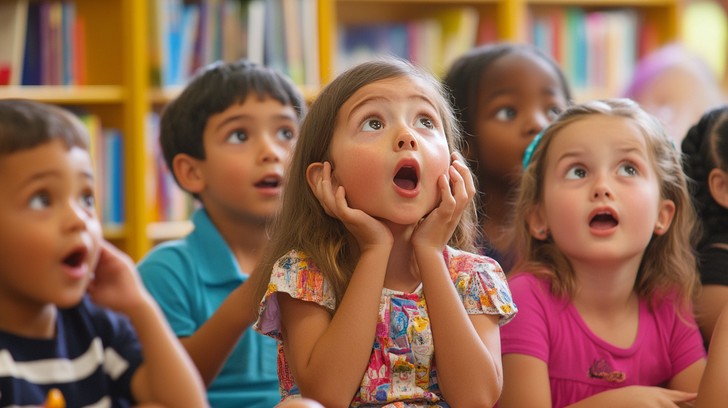
Determining the right time for your child to start preschool involves looking beyond just their chronological age. While many programs have age cutoffs, true readiness is a complex interplay of social, emotional, and developmental milestones. Focusing on these indicators ensures a smoother transition and a more positive early learning experience for your child.
Key signs of readiness include a child's ability to separate from parents for short periods, show interest in interacting with peers, follow simple instructions, communicate basic needs, and demonstrate a degree of independence in self-care tasks like dressing or tidying up. These are not rigid requirements but rather indicators that a child is developing the foundational skills necessary to thrive in a group setting.
A child's social and emotional maturity plays a crucial role in their preparedness for preschool. The ability to navigate interactions with peers, manage emotions, and adapt to a new environment are fundamental for a successful start. A supportive preschool environment fosters these skills, but a child who already possesses some of these capabilities will find the transition more natural.
Indicators of social and emotional readiness include sharing toys, taking turns, expressing needs verbally rather than through tantrums, showing empathy towards others, and being able to cope with minor frustrations. These skills are often developed through consistent social interactions, whether through playdates, group activities, or family gatherings, and are vital for a child's overall well-being in a preschool setting.
Beyond social and emotional aspects, cognitive and physical development also contribute significantly to a child's readiness for preschool. While formal academics are not the primary focus, a child's ability to engage with learning materials, follow directions, and manage basic self-care tasks are important. These skills help them participate more fully in classroom activities.
Cognitive readiness can be observed in a child's curiosity, ability to focus for short periods, and understanding of simple concepts like colors, shapes, and numbers. Physically, readiness involves developing fine motor skills for activities like drawing or using scissors, and gross motor skills for playground activities. The ability to manage personal hygiene, such as using the toilet independently, is also a key physical readiness indicator.
For children who may not yet exhibit all the signs of readiness or who are sensitive to new environments, a gradual introduction to preschool can be highly beneficial. This approach allows children to acclimate to the school setting, teachers, and peers at their own pace, reducing anxiety and building confidence. Options like part-time enrollment or parent-assisted programs can be excellent starting points.
A gradual introduction might involve starting with a few hours a week, perhaps in a play-based program, and slowly increasing the duration as the child becomes more comfortable. This phased approach helps children build positive associations with school, making the eventual transition to a full-day program smoother and more enjoyable. It respects the child's individual pace of development and ensures a positive first educational experience.