Starting kindergarten is the first major milestone in a child’s educational journey. For many parents in Brooklyn & across New York, the question arises- “What age can you go to kindergarten?” Knowing eligibility, readiness, and local guidelines is crucial. This is to ensure an even transition from preschool to elementary school.
At Brooklyn Preschool of Science, we merge early learning with structured play. We prepare children for kindergarten in a science-focused environment. In this writing, we’ll answer common questions. We’ll provide practical tips. We will also help you make informed decisions about your kid’s educational journey.
Kindergarten is the first formal year of primary education. It typically serves children aged 5–6. It acts as a bridge between preschool & elementary school. It introduces children to structured learning, social interaction, & foundational academic skills.
Key purposes of kindergarten include-
According to the New York State Education Department, kindergarten is mandatory in NYC starting at age 5. This sets children for a successful academic future.
In NYC, children must turn 5 years old on or before December 31 of the school year to be eligible for kindergarten. For the 2026–2027 year, see how it works-
This cutoff ensures children enter kindergarten at a developmentally appropriate age. This boosts academic readiness and social growth.
Brooklyn schools follow the NYC Department of Education (DOE) guidelines for kindergarten admission. However, private and specialized programs, such as Brooklyn Preschool of Science, often provide additional flexibility through pre-kindergarten and transitional programs. These programs are especially beneficial for younger children. These can help those with late birthdays. Such programs offer structured support in areas like social-emotional development, early literacy, and hands-on learning. These bring a smooth & confident transition into play school.
Age is a guideline. But readiness goes beyond the calendar. Some children may thrive in kindergarten at 4.9 years. Meanwhile others benefit from an extra year of preschool. Signs of readiness include-
At Brooklyn Preschool of Science, teachers observe & assess these milestones. They can modify readiness programs to each child’s developmental level. This ensures children start kindergarten with confidence & a love for knowledge.
Starting kindergarten at the recommended age offers several advantages-
Studies show that children who start kindergarten on time are more likely to read at grade level by third grade. They exhibit higher social competence. This gives them a solid foundation for future success.
It’s common for parents to worry if their child is younger than the official kindergarten cutoff date. Luckily, there are several options to support children who are not yet age-eligible. One option is deferred enrollment. This is where parents choose to delay their child’s start by a year. This allows additional time for maturity & readiness.
Another approach is transitional kindergarten. This is offered by some preschools. This provides an advanced program. It is designed for children with late birthdays. This helps them develop the skills needed for success. In certain cases, early entrance may be possible. This classically needs testing & teacher recommendations. Thus, the child can thrive academically and socially.
At Brooklyn Preschool of Science, we offer bridge programs. These are specifically for children approaching kindergarten age. These emphasize social-emotional development & literacy. The hands-on science exploration can make the transition smooth & confidence-building.
Many parents confuse pre-kindergarten (pre-K) with kindergarten. Here’s a clear comparison-
| Feature | Pre-K | Kindergarten |
| Age group | 3–5 years | 5–6 years |
| Focus | Play-based learning, social skills | Structured academics, literacy, math |
| Duration | Half or full day | Full day |
| Goal | Prepare for kindergarten | Prepare for first grade |
Brooklyn Preschool of Science offers pre-K & kindergarten readiness programs. These can confirm children meet developmental milestones. Meanwhile they can enjoy science-based activities.
A structured preschool environment, especially one like Brooklyn Preschool of Science, stresses on-
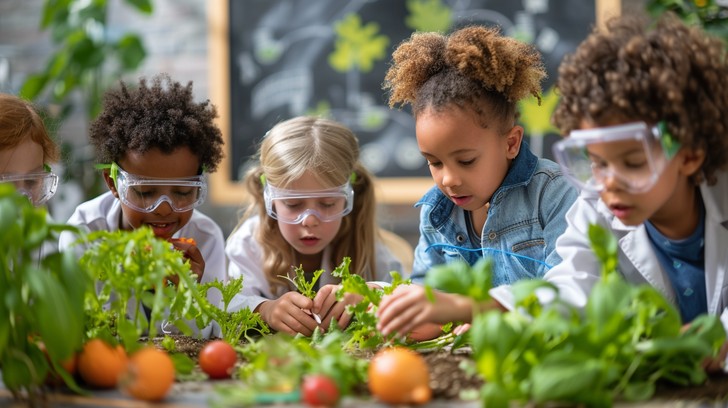
For example, children might explore plant growth experiments. They can learn to measure and compare objects. Or, they can participate in team storytelling activities. This will give them confidence & curiosity before entering kindergarten.
Take Ella, age 5, who attended Brooklyn Preschool of Science before starting kindergarten. By the time she entered her elementary classroom, the results of her preschool preparation were clear. She could recognize all letters and numbers, confidently identify shapes and colors, and even solve simple addition and subtraction problems. Beyond academics, Ella participated eagerly in group activities, demonstrating strong social skills, teamwork, and the ability to navigate classroom interactions with ease.
Her love for learning was particularly evident in her engagement with science experiments and storytelling projects, which fostered curiosity, problem-solving, and creativity. For example, during a plant-growing experiment at her preschool, Ella tracked changes daily, asked insightful questions, and shared her observations with classmates, skills that directly translated into her kindergarten activities.
Ella’s kindergarten teacher noted that she adjusted smoothly to routines, followed instructions independently, and approached new challenges with confidence. She not only excelled academically but also exhibited strong emotional and social readiness, making friends quickly and actively participating in class discussions.
Ella’s story clearly illustrates the benefits of a high-quality preschool program like Brooklyn Preschool of Science. By combining structured academic preparation with hands-on learning, emotional support, and social development, children are better positioned to enter kindergarten confidently, thrive academically, and cultivate a lifelong love for learning.
| Feature | Public NYC Kindergarten | Private Preschool & Kindergarten Readiness |
| Age Cutoff | Must be 5 by Dec 31 | Some flexibility for younger children |
| Curriculum | Standardized, broad | Individualized, often STEM-focused |
| Class size | 20–30 children | 8–15 children |
| Focus | Academic + social | Academic + social + exploratory learning |
Private preschools like Brooklyn Preschool of Science often provide more individualized attention. There are smaller classes & enhanced science and STEM exposure. It gives children an edge entering kindergarten.
Parents play a crucial role in preparing their children. This is for a successful transition into kindergarten. Setting up consistent daily routines & schedules helps children. They can become comfortable with structure & expectations similar to a real classroom. Hands-on activities encourage curiosity through exploration & questions. Such activities develop a love for learning and critical thinking. It’s equally important to promote social interaction and teamwork. It can be done through fun sessions, group activities, or collaborative play. These involvements build communication skills & emotional understanding.
In addition, parents can actively support literacy and numeracy development at home. This can be done by reading regularly. Practicing basic counting is important. So is, recognizing letters, and engaging in simple problem-solving activities. These efforts can be combined with a structured preschool program. Then, kids can be better equipped. They can develop academic & social-emotional skills. This is a balanced approach. This ensures that they begin kindergarten feeling confident & excited to learn. This also sets a strong foundation for their upcoming education.
So, what age can you go to kindergarten in Brooklyn?
The official age is 5 years old by December 31. But the readiness depends on each child’s social, emotional, & cognitive development. Programs like Brooklyn Preschool of Science help children a lot. They can bridge the gap between preschool and kindergarten. Such programs offer STEM-focused learning. Kids can enjoy social skills development & emotional growth. Also, this happens in supportive, hands-on surroundings.
Parents should know age requirements. They must recognize readiness cues & choose the right preparation program. Thus, they can ensure their children start kindergarten with curiosity & a love of knowing.
Are you a Brooklyn parent? Are you wondering how to prepare your child for kindergarten? Then, you need to visit Brooklyn Preschool of Science. Learn about our pre-K and kindergarten readiness programs. Give your child the best start to their educational journey!
Officially, children must turn 5 by December 31 of the school year to enroll in NYC public kindergarten. However, some private or specialized programs, including preschools with advanced or transitional classes, may allow younger children to start early if they demonstrate academic, social, and emotional readiness. These programs provide extra support to ensure that younger students can thrive alongside their older peers, helping them build confidence and essential skills before entering kindergarten officially.
While the standard age is 5, the “best” age depends on a child’s cognitive, social, and emotional development. Children who are curious, socially adaptable, and emotionally ready may thrive at 4.9–5.0 years, but some benefit from additional preschool preparation to develop foundational skills. Observing your child’s ability to follow routines, interact with peers, and engage in problem-solving can help determine if they are ready for kindergarten.
Parents can play a vital role in kindergarten readiness by creating a supportive and structured home environment. Start with daily reading sessions to boost language and comprehension skills. Practice basic math and letter recognition using fun, hands-on activities. Encourage play sessions and group activities, like playdates or collaborative projects, to develop social skills. Finally, teach self-care and independence, such as dressing, feeding, and organizing personal items, so children feel confident managing themselves in a classroom setting.
Kindergarten introduces a wide range of subjects through interactive and engaging methods. Children typically explore literacy, numeracy, science, social studies, arts, and STEM-based projects. Activities often involve hands-on experiments, group problem-solving, creative arts, and outdoor learning, allowing children to develop curiosity, critical thinking, and social skills while gaining foundational academic knowledge.
When selecting a preschool, look for programs that provide individualized attention, a structured and balanced curriculum, and a combination of academic learning and play-based activities. Programs like Brooklyn Preschool of Science offer hands-on experiences, STEM exploration, and a nurturing environment that prepares children for both the academic and social aspects of kindergarten. Visiting classrooms, talking to teachers, and observing activities can help parents make an informed choice that best supports their child’s readiness.

CEO, Brooklyn School of Science
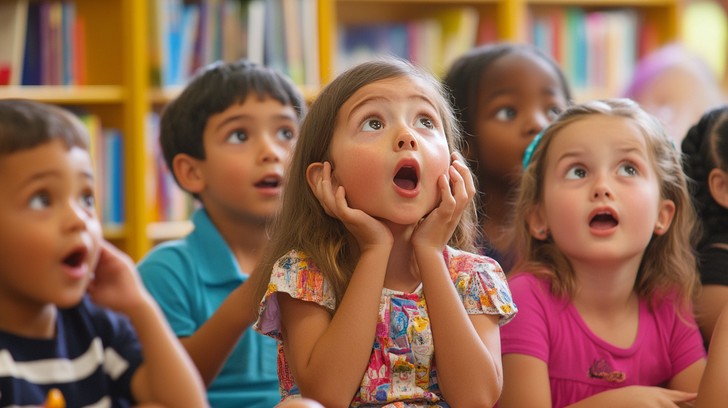
In New York City, the kindergarten age cutoff is a critical factor for parents determining when their child can begin formal schooling. Specifically, a child must turn five years old by December 31st of the school year they intend to enroll. This rule ensures that children entering kindergarten are within a similar developmental stage, facilitating a more cohesive learning environment for both students and educators.
For instance, a child born on January 15, 2021, would be eligible for the 2026-2027 kindergarten year, as they would turn five by December 31, 2026. Conversely, a child born on January 2, 2022, would need to wait until the 2027-2028 school year to be eligible, as they would not reach the age of five by the December 31st cutoff for the 2026-2027 academic term.
While the age cutoff is a firm requirement, true kindergarten readiness encompasses more than just a child's birth date. It involves a holistic evaluation of their cognitive, social, emotional, and physical development. Indicators of readiness include a child's ability to follow instructions, engage with peers, manage basic self-care tasks, and demonstrate curiosity and a willingness to learn.
Key signs of readiness include recognizing letters and numbers, communicating needs clearly, sharing toys, taking turns, managing separation from parents, and possessing basic self-help skills like dressing and using the restroom independently. Preschools like Brooklyn Preschool of Science play a vital role in nurturing these developmental milestones through structured play and targeted learning activities.
Early childhood education programs, such as those offered by Brooklyn Preschool of Science, are instrumental in preparing children for the academic and social demands of kindergarten. These programs provide a structured yet nurturing environment where children can develop foundational skills in literacy, numeracy, and problem-solving through age-appropriate activities and play-based learning.
Through engaging curriculum that emphasizes cognitive growth, social-emotional learning, and STEM exploration, children gain confidence and a love for learning. For example, hands-on science experiments foster curiosity and critical thinking, while group activities promote cooperation and communication, all of which are crucial for a successful transition into kindergarten.
Brooklyn parents have a choice between public and private kindergarten programs, each offering distinct advantages. Public kindergartens adhere to the city's standardized curriculum and age cutoff, often with larger class sizes. Private kindergartens, on the other hand, may offer more flexibility in admission, smaller class sizes, and often a more individualized or specialized curriculum, such as a strong focus on STEM or arts.
Private preschools and kindergartens, like Brooklyn Preschool of Science, frequently provide a more tailored educational experience. This can include individualized attention, advanced academic preparation, and a focus on nurturing specific talents or interests, ensuring children are not only academically prepared but also socially and emotionally equipped for their educational journey.