Cobble Hill: 347-844-9699, Park Slope: 718-622-1203, Brooklyn Heights: 347-799-2682
Are you planning to start a home daycare? It can be one of the most rewarding ways to turn your love of children into a meaningful business. It’s also one of the most regulated. It won’t matter if you want to care for toddlers, preschoolers, infants, or school-age kids. This complete guide will walk you through every question parents & aspiring providers ask-
A home daycare is also known as family child care or in-home daycare. It is a licensed childcare program running inside a provider’s home. It combines nurturing day-to-day care with early learning. This happens often in smaller groups than commercial childcare centers.
Key traits-
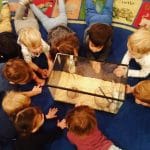
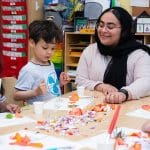
This model allows flexibility. It also fosters strong relationships. This is much like how young children thrive in structured, exploratory environments. Brooklyn Preschool of Science is a big example in home daycare. This is where science-based learning blends care & education.
There are childcare shortages in many cities. This means parents are eager for safe, trustworthy providers. A home daycare can fill local gaps. It can generate stable revenue.
Opening a home daycare typically costs much less than building or renting a commercial facility. Startup costs may range from a few thousand to almost about $25,000 & more. It depends on licensing & insurance. It also hinges on safety equipment & furnishings.
Providers influence children’s early social & emotional growth. This also improves cognitive development. This is similar to early childhood programs like Brooklyn Preschool of Science. Such programs only focus on nurturing curiosity & foundational growth.
You can often set your own hours. You are allowed to choose the age groups you enjoy. Thus, you can scale your program over time.
Now, let’s jump straight into how to open a daycare at home!
Don’t open your doors yet. Know the legal distinctions that affect requirements and capacity.
In many states, you can care for a very limited number of unrelated children. The number ranges between 1 & 3. This can happen without full licensing. But-
This setup can be a starting point. But it is usually not sustainable long-term.
Do you want to care for more children (e.g., 4–12)? Then, you’ll need a home daycare license from your state. This entails inspections & training. This also comprises safety standards & ongoing compliance.
Every state has its own rules. But below are some common steps. The most aspiring home daycare owners must follow these-
These steps ensure you are recognized as a legitimate business, not just babysitting.
Requirements often include-
Many states require-
Inspectors check-
Your home must be a safe, clean, and welcoming learning space.
A home daycare isn’t just “care”. It’s early childhood education.
Invest in-
This environment helps develop physical & cognitive aspects in children. They can also have their social & emotional skills developed. This will be just like specialized preschools.
Daycare units are less formal than a traditional preschool center. You should-
Parents will value how your program develops growth & preparedness.
You need to do research on local rates. Typically, home daycares charge slightly less than center-based programs. But they vary by age range & hours of care.
Include-
A clear parent handbook protects your business and builds trust.
A great daycare won’t grow without visibility.
Many successful childcare businesses start by building trust within their community.
Is your home daycare up and running? Then, you can expect to stay actively engaged in maintaining its quality & compliance. This includes regular inspections & timely license renewals. This also comprises ongoing training. Many states require continuing education for childcare providers. It’s also essential to keep accurate records and emergency logs. This is to ensure safety & accountability. Equally important is regular communication & engagement with parents. Also, vital is building trust & transparency. Overall consistency & open communication are central. These form the foundation for durable success in your house daycare.
Running a home daycare can seem initially tough. It is different from a purpose-built program like the Brooklyn Preschool of Science. But you can still adopt educational principles that families highly value. One key principle is curiosity and exploration. This encourages children to learn through hands-on experiences. They don’t need to rely on passive observation.
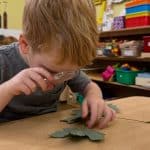
Let’s talk about Mrs. Thompson. She is a home daycare provider in Brooklyn. She changed her living room into a “mini-lab” for her preschoolers. She incorporates activities such as-
These activities not only make learning fun. They also deepen cognitive, social, and emotional development. These make your home daycare superior. By mixing care with engaging, exploratory activities, you provide a nurturing environment. This will be similar in philosophy to professional preschools. But this will be within the comfort & personal touch of a home.
Are you still worried about how to open a daycare at home? Then, it’s essential to have every aspect of your business carefully planned & organized. Thus, you can have safety, compliance, and success.
First, make sure your business structure is properly set up. It can be an LLC, sole proprietorship, or another legal entity. Then, you need to obtain a federal EIN for tax and banking purposes.
Next, confirm that all state licensing requirements are met. Examples include background checks, inspections, & any needed certifications. Safety is principal. So, ensure all training is complete. Examples are CPR, first aid, child development, & emergency preparedness. Thus, your home will be fully child-proofed & organized. It will be equipped with age-appropriate furniture, toys, & play areas.
Additionally, your curriculum and operational policies should be clearly written. These should cover your daily routines & learning activities. These must also contain sick child procedures, fee structures, & parent agreements. Having this documented streamlines daily operations. This also instills confidence in parents.
Lastly, a well-planned marketing strategy will help attract families. It should include a professional website, social media presence, & local outreach. One must take the time to carefully check each aspect. Hence, they can confirm that your home daycare is safe, compliant, & educational. You can stay ready to provide a nurturing environment for children. Meanwhile, you will be able to set up a good foundation for long-term growth.
Opening a home daycare is more than babysitting. But you need to stop overthinking how to open a daycare at home. We have already explained everything in this paper.
A running home care facility means launching a trusted early learning space. This is where children thrive & parents feel confident. With proper planning, licensing, safety measures, and engaging education, your home daycare can provide both meaningful impact and sustainable income.
And by drawing inspiration from established preschools like Brooklyn Preschool of Science, you’ll build a program that families love and respect!
Ans: To open a home daycare, you typically need a state-issued family child care license, background checks for all adults in the home, and home safety inspections. Requirements vary by state, so check your local Department of Children and Families or licensing authority.
Ans: Startup costs range from $2,000 to $25,000, depending on licensing, insurance, safety equipment, toys, and furnishings. Smaller setups may cost less, but budgeting for training and curriculum materials is essential for success.
Ans: The number depends on state regulations, the size of your home, and the ages of the children. Most licensed home daycares care for 4 to 12 children, with limits for infants and toddlers.
Ans: Common requirements include CPR and First Aid, child development courses, food handling safety, and emergency preparedness. Some states may also require continuing education for license renewal.
Ans: Yes. Many providers start at home and expand into larger facilities as demand grows. By following licensing regulations, maintaining quality care, and adopting an educational curriculum like that of Brooklyn Preschool of Science, a home daycare can evolve into a professional preschool.
















BPoS - Cobble Hill, 11 Wyckoff, Brooklyn, NY 11201, 347-844-9699 | BPoS - Park Slope, 65 Park Place, Brooklyn, NY 11217, 718-622-1203
BPoS - Brooklyn Heights, 78 Amity Street, Brooklyn, NY 11201, 347-799-2682
 carmelo@brooklynpreschoolofscience.com
carmelo@brooklynpreschoolofscience.com
Register for Infant/Toddler 2026-2027 Register For Admission 2026-2027